Compare custom homes
Compare custom homes
Blog Article
Determining the Suitable Home Builder: Your Compass to Dream Homes
Pinpointing the right home builder is a critical component in accomplishing one's envisioned home. It involves deliberate assessment and comprehensive investigation. A variety of considerations come into play, from a builder's qualifications to their interpersonal communication. Understanding these qualities can greatly impact the construction journey. As one navigates this demanding process, certain key aspects call for attention to establish a successful ending. What should one prioritize to make a informed choice?
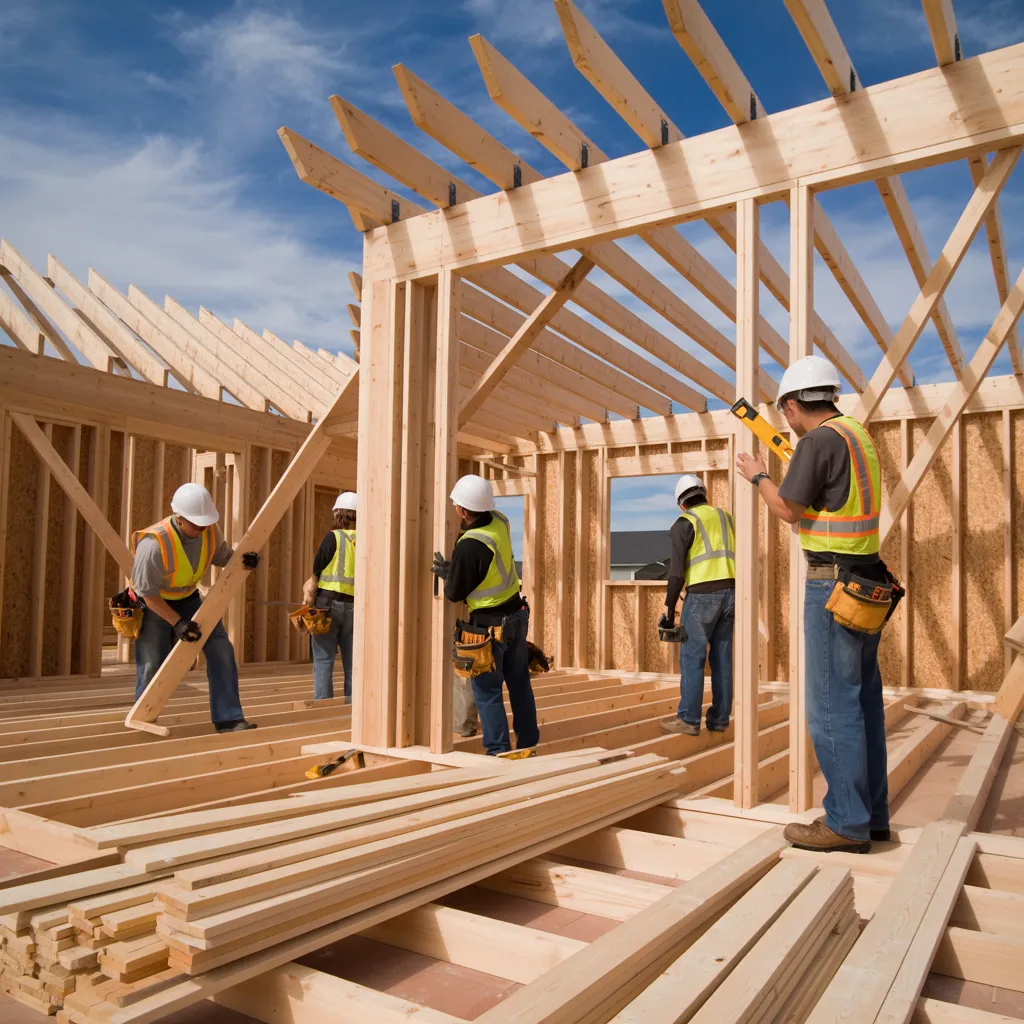
Ways to Initiate Your Process of Finding a Home Builder
In what way does one initiate the journey to discover the right home builder? The foundational component consists of executing thorough research to identify capable candidates. Intending homeowners should utilize online platforms, including customer feedback and testimonies, to assess the standing of numerous builders. Networking could also be productive; soliciting counsel from friends, family, or real estate professionals habitually provides reliable options.
Next, individuals ought to attend local home shows or open houses, giving firsthand experience of a builder's work. It is crucial to establish a shortlist of builders who match personal preferences and project requirements.
Once this list is finalized, homeowners can prepare to reach out for meetings with professionals. During these discussions, exploring previous projects, project schedules, and communication styles can demonstrate much about each contractor's strategy. This foundational stage is crucial, establishing the foundation for a effective building experience ahead.
Key Considerations for Evaluating Home Developers
Evaluating home builders requires a structured approach to guarantee that the selected candidate meets specific standards and expectations. Key criteria include experience, reputation, and construction quality. A builder's portfolio should showcase completed projects that match the desired style and functionality.
References and reviews from previous clients provide understanding into dependability and customer satisfaction. It is also essential to assess the builder's communication skills and promptness, as these traits can significantly impact the overall experience.
In addition, understanding the builder's warranty policies and compliance with local building codes is essential for long-term peace of mind. Financial stability should not be disregarded; a reputable builder will have solid financial backing, permitting them to complete projects on time and within budget. By focusing on these criteria, potential homeowners can make informed decisions when choosing the right builder for their dream home.
Discovering Personalization Choices in Home Design
What features influence the tailoring choices provided in home design? Various aspects have a strong role, like the builder’s experience, construction materials applied, and the local building codes. Established builders often offer a more extensive variety of customization options, as they have developed relationships with suppliers and subcontractors. Moreover, the home type—be it a single-family house or a multi-family dwelling—may determine how much customization is possible.
Homebuyers should also assess the timeline for construction, since more complex designs might prolong the building process. Geographic location can affect available styles and materials, because specific designs might be more practical or preferable in particular regions. Finally, budget constraints may limit options, as more intricate features and premium materials usually come at a higher price. Understanding these factors can assist buyers in making informed decisions when exploring customization options.
Comprehending Pricing Frameworks
Grasping pricing structures is important for homebuyers maneuvering the challenges of the construction process. Various builders employ different pricing models, which can significantly affect overall costs. Set pricing offers certainty, enabling customers to understand the total cost in advance, while cost-plus pricing involves covering the actual construction costs plus a fixed charge, creating opportunity for variances.
Additionally, some developers introduce a combined strategy, merging features of both models. Homebuyers should also consider included features and improvements, as these can substantially influence the final price. Itemized estimates provide transparency, assisting buyers grasp where funds are allocated.
It is vital for buyers to review payment schedules and potential obscured charges, such as permits or site preparation. By thoroughly understanding these formats, homebuyers can make educated decisions, ensuring they choose a builder whose pricing suits their budget and expectations.
Why Transparent Dialogue Is Important When Choosing a Builder?
Clear communication is important when determining a home builder, as it establishes trust between the client and the builder. By ensuring that expectations and project details are extensively discussed, parties can avoid expensive misunderstandings. Ultimately, transparency in interaction lays the groundwork for a fruitful building experience.
Building Trust Through Transparency
How can future home buyers guarantee their vision aligns with their builder's capabilities? Establishing confidence via transparent communication is crucial in this partnership. Open dialogue promotes understanding, guaranteeing that both parties are on the same page regarding check this project expectations, schedules, and design details. Property buyers should articulate their preferences while actively listening to the contractor's perspectives and suggestions. Consistent communication and open dialogue throughout the construction process further strengthen this trust, permitting for modifications as required. Openness in discussing project challenges and solutions also improves this bond, making it easier to overcome potential hurdles together. In the end, clarity in communication not only aligns visions but also creates a solid base for a successful partnership, resulting in the achievement of the homeowner's dream home.
Sidestepping Expensive Miscommunications
What takes place when anticipations clash between homeowners and builders? Confusions can result in costly delays, budget overruns, and dissatisfaction. Transparent communication is essential to align goals and guarantee that both parties are on the same page. Homeowners should articulate their desires, choices, and budget constraints from the outset. Builders, in turn, must provide clear timelines, costs, and scope of work. Regular updates and open dialogue foster trust and allow for adjustments as necessary. Documenting agreements in writing helps to reduce future disputes. By prioritizing clarity, both homeowners and builders can reduce risks, leading to a smoother construction process and a more satisfying end result. Ultimately, effective communication is the foundation of a successful building experience.
Assessing Credentials and Reviews: Leading Practices
When choosing a home contractor, verifying recommendations and feedback is essential for well-informed choosing. Assessing feedback from previous clients provides understanding into the contractor's reliability and quality of craftsmanship. Comprehending both direct endorsements and digital reviews can greatly influence the builder's credibility.
Significance Of References
increase assurance
Reviewing Online Customer Responses
How can potential homeowners effectively navigate the vast expanse of online feedback when evaluating a home builder? First, they should seek reviews on credible platforms, such as Google, Yelp, and specialized construction forums. It is important to differentiate between legitimate reviews and potentially biased ones, looking for patterns in feedback rather than detached comments. Homeowners should pay attention to both upbeat and adverse remarks, zeroing in on recurring positives or shortcomings highlighted by multiple reviewers. Additionally, they can check the builder's response to criticisms, which may reveal their commitment to customer service. Finally, getting in touch with past clients in person can furnish deeper knowledge, ensuring that the builder fits with the homeowner's expectations and needs.
Common Questions Asked Often
What Permits and Certifications Are Required for a Home Builder?
A home builder should acquire a valid contractor's license, business insurance, and relevant certifications such as OSHA training or green building credentials. These professional standing guarantee compliance with occupational safety standards and professional regulations, enhancing trust and professionalism.
How much time Does the Home Building Process Usually Take?
The house construction process usually takes anywhere from six months to more than a year, reliant on variables like project complexity, weather conditions, and permit-related delays. Each phase requires thorough preparation to guarantee on-time delivery and quality results.
Is it Possible to Tour Earlier Developments Finished by the Builder?
Yes, potential clients can frequently visit previous projects finished by the contractor. This enables them to evaluate craftsmanship and quality of design, aiding to guide their choices and ensure satisfaction with their new residence.
What Warranties Do Builders Regularly Grant on New Homes?
Builders typically offer guarantees protecting structural soundness for ten years, primary installations like plumbing and electrical for five years, and craftsmanship for one year. These guarantees deliver homeowners with coverage against defects and required maintenance.
What Steps Can I Take to Keep My Builder On Schedule?
For guaranteeing a builder remains on schedule, one should establish clear timelines, preserve frequent communication, and conduct milestone check-ins. Monitoring progress and tackling delays quickly can also help keep the project on track.
Report this page